

What Does Hull and Machinery Insurance Actually Cover?
Hull and Machinery insurance protects your vessel against physical damage losses that can threaten the value of your most important asset. Whether you operate along West Coast shipping corridors, work extended routes out of Alaska, or manage Southeast and Gulf operations exposed to storm seasons, vessel damage can happen quickly and expensively. The question most operators face isn't whether coverage exists — it's whether the policy truly reflects how and where the vessel operates. Lightship Maritime Inc. structures marine Hull and Machinery coverage around real operational exposures so you understand what is covered before you ever need to rely on it.
Hull and Machinery insurance is foundational for operators such as
commercial fishing vessels,
tug and barge fleets, and
freight and cargo carriers, where vessel value directly impacts revenue continuity.
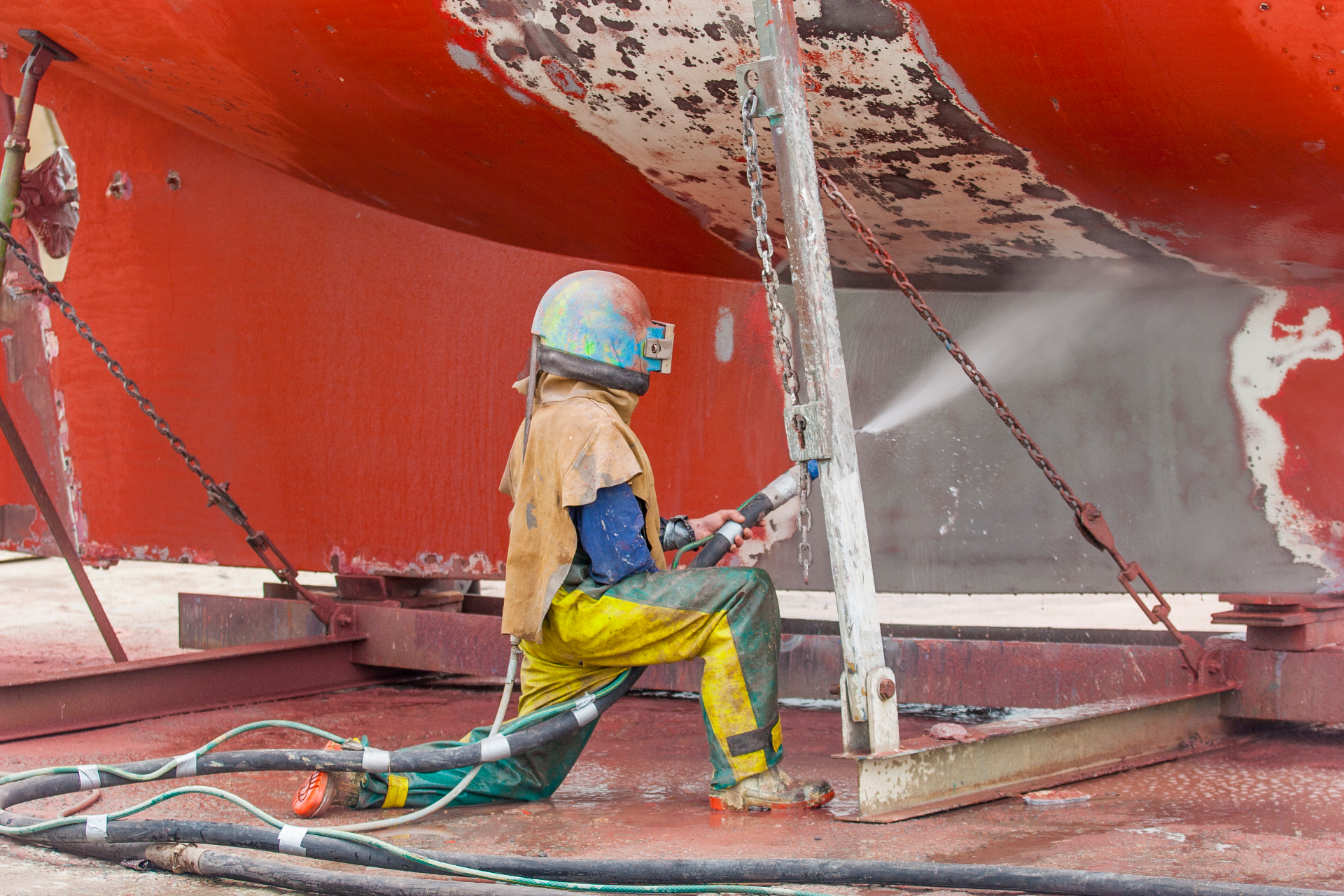
What's Included in Marine Hull and Machinery Coverage?
Hull refers to the vessel's physical structure — the body of the ship or boat itself.
Machinery refers to engines, propulsion systems, generators, and onboard equipment necessary for operation.
Typical vessel physical damage coverage includes:
- Collision damage with another vessel
- Grounding losses
- Heavy weather and storm-related damage
- Fire and explosion
- Striking submerged objects
- Equipment and machinery damage resulting from covered perils
- Salvage and certain repair-related costs
For commercial hull insurance, deductibles, navigation limits, and agreed values must align with vessel age, construction, and operating territory. The goal is simple: protect the vessel value you rely on without creating unexpected coverage gaps.
Common Add-Ons and Associated Interests
Hull coverage rarely stands alone in a commercial marine insurance program. It works alongside liability and regulatory protections to form a complete structure.
Common coordinated coverages include:
- Collision liability coordination with Protection and Indemnity (P&I)
- Wreck removal cost considerations
- Increased value endorsements
- Crew-related coverages structured separately under maritime statutes
- Additional Perils (Inchmaree) coverage, which can extend protection to machinery damage from latent defects, boiler bursting, shaft breakage, or crew and repairer negligence
Lightship Maritime Inc. helps coordinate hull and liability from day one so commercial Hull and Machinery coverage integrates cleanly with
Protection and Indemnity Insurance rather than overlapping or conflicting.
Situations Where H&M Coverage Matters Most
After a Collision
If your vessel strikes another vessel or object, repair costs can escalate quickly. Clear collision damage coverage ensures the physical loss portion is handled without uncertainty.
During Severe Weather
West Coast winter storms and Gulf hurricane systems present real seasonal exposure. Proper territory definitions and deductible structures prevent surprises when weather-related damage occurs.
When Machinery Fails After a Covered Event
Damage to propulsion or onboard systems following a covered incident can halt operations. Structured machinery protection helps restore function and revenue continuity.
Operating Remote Routes
Alaska fishing routes and extended offshore schedules increase response and repair complexity. Coverage structured for operating distance reduces delays during claim handling.
Common Mistakes That Create Coverage Gaps
- Insuring the vessel at outdated market value — if agreed value is not reviewed regularly, you may recover less than expected after a total loss.
- Mismatched navigation limits — operating outside listed territories can jeopardize claim response.
- Assuming machinery wear is automatically covered — policies respond to covered perils, not routine maintenance issues.
- Failing to coordinate H&M with P&I — poor alignment between physical damage and liability policies creates confusion during multi-party claims.
Situations Where H&M Coverage Matters Most
Actual Cash Value
This approach accounts for depreciation at the time of loss. It may reduce premium cost but introduces valuation uncertainty.
Agreed Value Coverage
This structure locks in the insured value at policy inception, reducing uncertainty in the event of a total loss. It provides predictability for lenders and fleet operators.
Choosing the right structure depends on vessel age, financing requirements, and risk tolerance. Lightship Maritime Inc. explains these differences in plain language so you can choose confidently.
Let’s Talk Insurance
Ready to Put This in Capable Hands?
Most operators reach this stage after realizing one serious accident could become a major asset loss. The next step is having Hull and Machinery insurance reviewed by a team that works exclusively in maritime risk.
Vessel type, hull material and year built
What to Expect From Start to Finish
When you begin Hull and Machinery insurance with Lightship Maritime Inc., the process starts with reviewing vessel specifications, operating territory, valuation, and loss history. From there, commercial hull insurance is structured with carriers familiar with marine vessel physical damage exposures. Terms, deductibles, and navigation warranties are explained before binding so there are no surprises later. Ongoing adjustments can be made as vessels are upgraded, routes change, or fleet composition evolves.
Your Questions, Answered Clearly
What does Hull and Machinery insurance cover?
It covers physical damage to the vessel and its operating machinery resulting from covered perils such as collision, grounding, weather, fire, or striking submerged objects. It does not cover routine wear or maintenance issues and should be coordinated with Protection and Indemnity insurance for liability exposures.
Does H&M cover collisions, grounding, and weather-related damage?
Yes, those are standard covered perils in most marine hull insurance structures, subject to policy terms and deductibles.
Does Hull coverage include machinery failures and equipment damage?
Machinery damage resulting from a covered event is typically included. Pure mechanical breakdown without a covered peril may not be; however, an Additional Perils (Inchmaree) clause can extend coverage to machinery damage caused by latent defects or crew or repairer negligence.
Do I need Agreed Value Hull coverage or Actual Cash Value?
Agreed value provides valuation certainty. Actual cash value reflects depreciation at the time of loss. The right option depends on vessel age and financial goals.
What vessel details do you need to quote H&M coverage?
Vessel type, year built, construction, navigation territory, insured value, loss history, and operational profile are typically required.
Get This Protected Before the Next Storm Season
Whether you operate along Pacific Northwest routes, across Gulf Coast corridors, or run extended Alaska schedules, protecting vessel value is foundational to business stability. Lightship Maritime Inc. provides commercial hull insurance as well as protection and indemnity insurance, structured around how your vessel actually operates - not a generic template.