

What Is Marine Liability Insurance and What Does It Cover?
Marine liability insurance protects waterfront businesses such as
marinas,
shipyards, and
marine contractors against third-party bodily injury, property damage, and operational liabilities arising from marine operations. Unlike standard premises liability, marine general liability insurance addresses exposures tied directly to docks, vessels, terminals, and ship repair activities. Dockside risks carry distinct contractual and care, custody, and control exposures. Lightship Maritime Inc. structures marine liability insurance programs specifically around those waterfront realities so coverage reflects how your facility actually operates.
The Most Common Marine Facility Liability Exposures
Marine facilities face specialized risks that general liability policies often do not fully address. Typical components of a marine liability insurance program include:
- Marina operators legal liability
- Wharfinger legal liability
- Terminal operator liability
- Ship repairer's liability
- Contractual liability extensions
- Wreck removal coordination (often structured alongside Protection and Indemnity insurance for vessel-related exposures)
- Care, custody, and control exposures
These coverages are structured around marine operations, not simply premises ownership.
What Is Marina Operators Legal Liability?
Marina operators legal liability coverage protects marina owners and operators when customer vessels are damaged while in their care, custody, or control.
This can include exposure arising from docking, storage, fueling, or routine service operations. For facilities operating along coastlines or within marina networks, vessel value concentrations can create significant claim severity. Properly structured limits reflect the total vessel exposure onsite at any given time.
What Is Wharfinger Legal Liability?
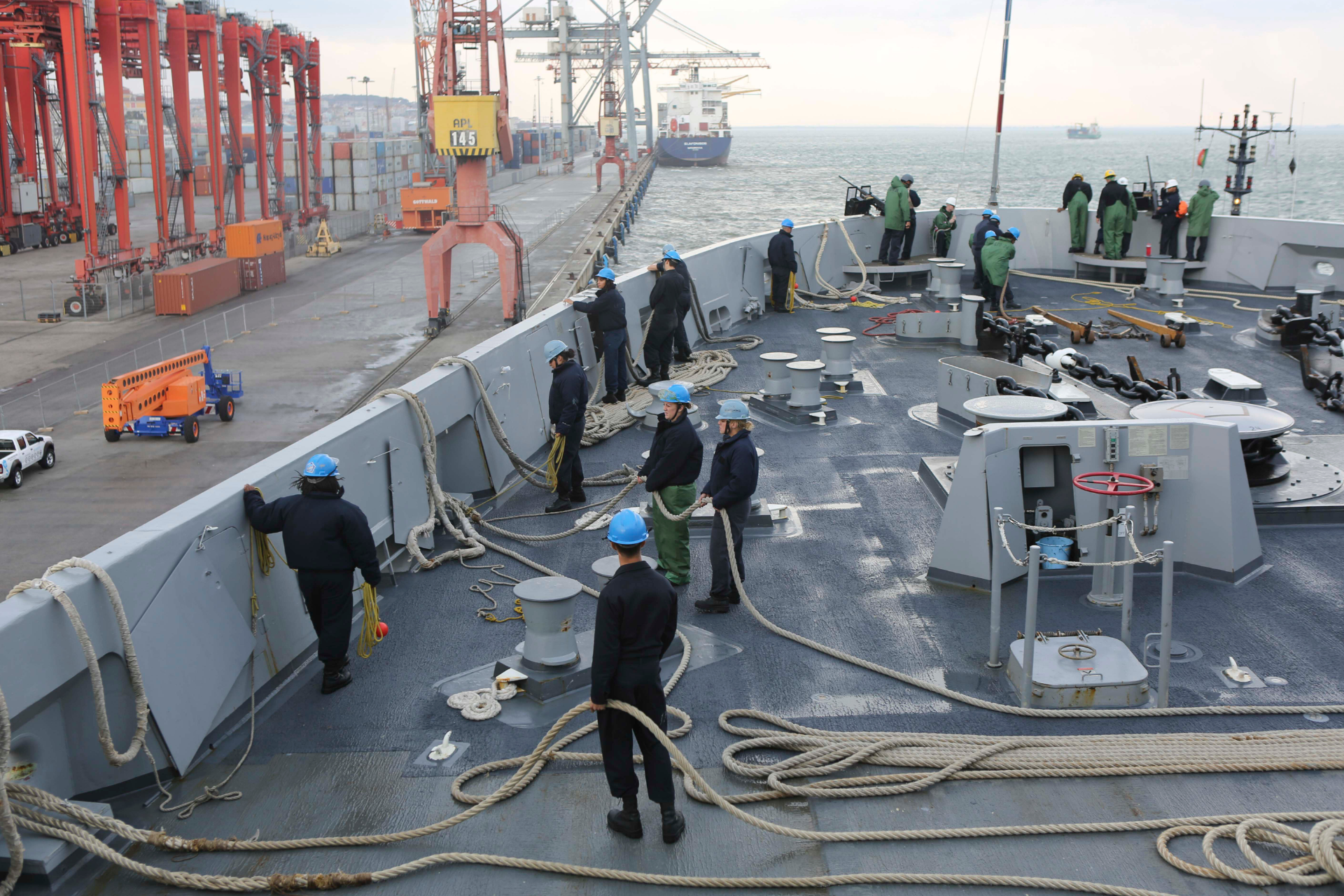
Wharfinger legal liability applies to wharf, pier, and dock owner-operators who may be held responsible for damage to vessels or cargo using their facilities.
This coverage addresses care, custody, and control exposures tied to dock conditions, mooring arrangements, or operational oversight. Clarifying responsibilities before an incident reduces disputes over whether the facility or vessel owner bears liability.
Do Shipyards and Terminals Need Specialized Liability Coverage?
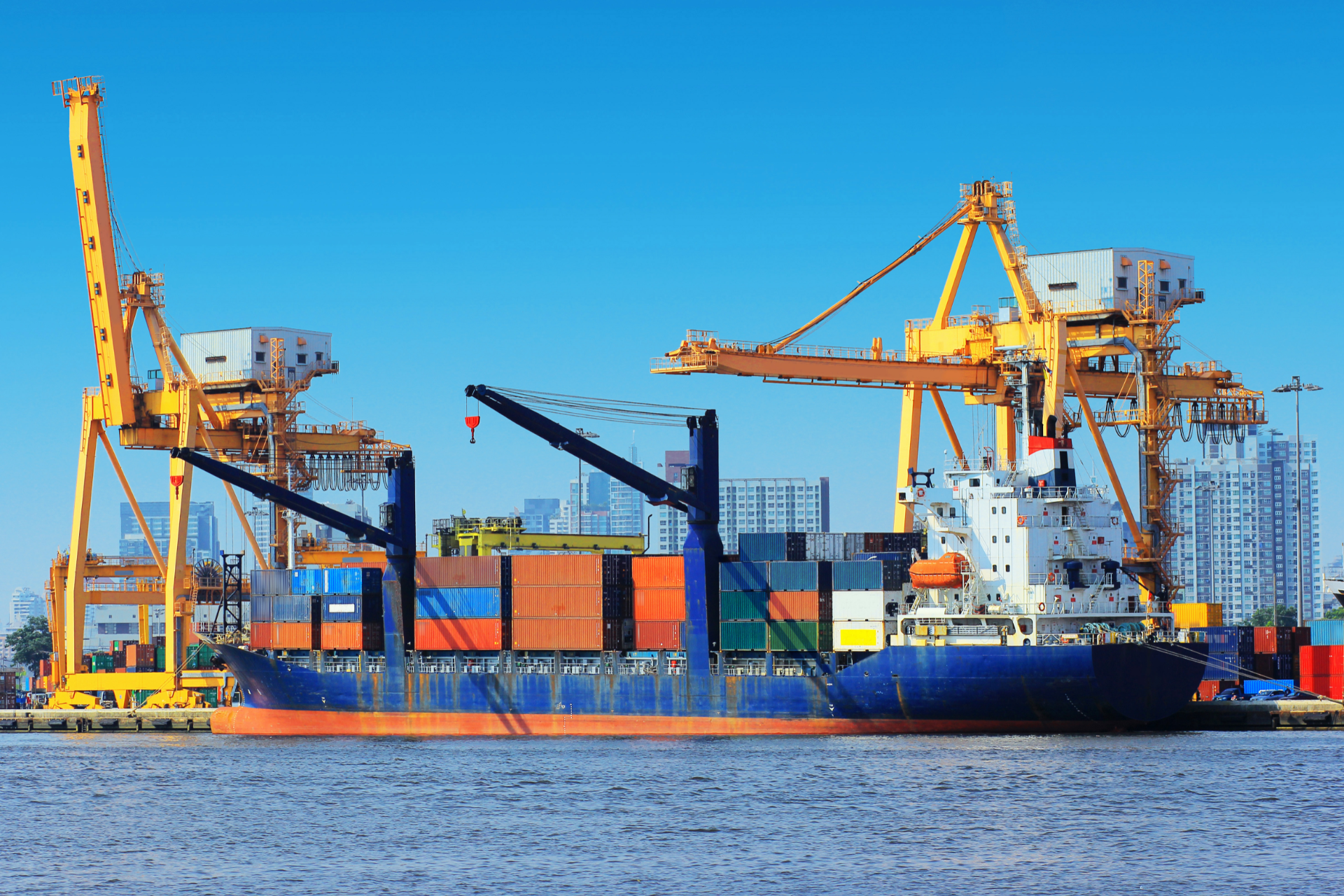
Yes. Ship repairer's liability and terminal operator liability address exposures beyond standard marine general liability insurance.
Shipyards face risks tied to repair operations, welding, hauling, and heavy equipment use. Terminals and ports face cargo handling exposures and third-party contractual obligations. Treating these operations like generic premises liability often leaves gaps that only appear during a loss. Terminals and ports often operate in conjunction with structured
freight and cargo insurance programs.
What Is Bumbershoot Insurance?
Bumbershoot insurance provides excess liability limits over underlying marine and certain non-marine coverages. It is umbrella insurance for marine risks.
For marina operators, wharfingers, shipyards, and terminal operators, it offers a streamlined way to secure higher limits without negotiating a patchwork of excess policies. Attachment points and underlying coordination must be structured carefully to ensure seamless protection.
Situations Where Facility Liability Coverage Matters Most
Customer Vessel Damage at Dock
If a storm surge or dock failure damages multiple customer vessels, care, custody, and control exposure can escalate quickly.
Repair Operations Accident
Ship repair activities create unique operational hazards that require coverage designed for marine repair work.
Cargo Handling Disputes
Terminal operator liability addresses third-party claims tied to cargo transfer and storage.
Contractual Indemnification
Port and vendor agreements frequently include liability transfer clauses that must be reflected in the insurance structure.
Let’s Talk Insurance
Ready to Put This in Marine-Specialist Hands?
Waterfront facilities face exposures that standard liability structures rarely address fully. The next step is reviewing marine liability insurance with a brokerage focused exclusively on maritime risk.
Vessel type, hull material and year built
What to Expect From Start to Finish
Marine facility placements begin with reviewing operational scope, vessel concentrations, contracts, and property layout. Underlying general liability and marine policies are evaluated for alignment. Appropriate limits, sublimits, and excess structures such as bumbershoot umbrella insurance are coordinated intentionally. Policy terms are explained clearly so you understand responsibilities before a claim arises.

Your Questions, Answered Clearly
What is marine liability insurance and what does it cover?
It covers third-party bodily injury, property damage, and operational exposures arising from marine operations, including dockside and vessel-related risks.
What is marina operators legal liability coverage?
It protects marina operators when customer vessels are damaged while under their care, custody, or control.
What is wharfinger legal liability coverage?
It protects dock and pier operators against liability for damage to vessels or cargo using their facilities.
Do shipyards and terminals need specialized liability coverage beyond general liability?
Yes. Repair operations and cargo handling create exposures not fully addressed by standard premises liability policies.
What is bumbershoot umbrella insurance for marine risks?
It is excess liability coverage structured over marine and certain non-marine policies to provide higher combined limits.
Structure Higher Limits Without Coverage Gaps
From waterfront facilities to port operations, marine liability insurance must reflect operational scale and contractual exposure. Lightship Maritime Inc. provides marine-specialist guidance so your liability program works as one coordinated structure.