
OUR SERVICES
Protection and Indemnity Insurance for Vessel Liability

What Is Protection and Indemnity (P&I) Insurance?
Protection and Indemnity insurance provides liability coverage for vessel owners and operators arising out of vessel use and maritime operations. If you operate
tug and barge fleets, manage
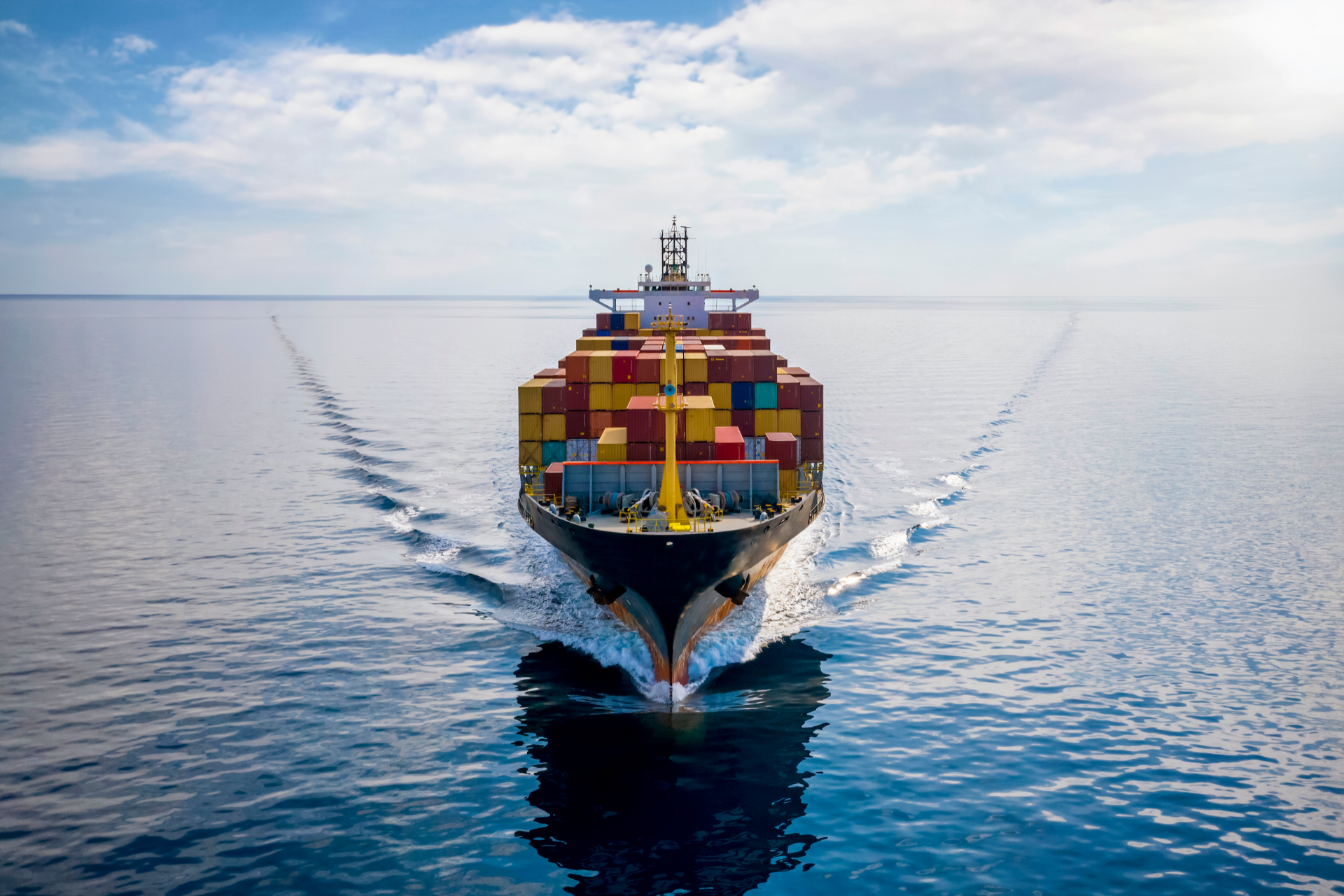
freight and cargo vessels, or run
commercial fishing operations, third-party claims can escalate quickly. The complexity increases when maritime statutes such as the Jones Act, the Longshore and Harbor Workers' Compensation Act, or the Death on the High Seas Act apply. Lightship Maritime Inc. structures Protection and Indemnity coverage around those legal frameworks so you understand your liability exposure before a claim occurs.
What Does P&I Coverage Typically Include?
Protection & Indemnity coverage is designed to address third-party maritime liability exposures, including:
- Bodily injury or illness to crew or passengers
- Collision liability (when coordinated with hull coverage)
- Damage to fixed or floating objects
- Cargo liability in certain operational contexts
- Wreck removal costs
- Pollution-related liabilities (when structured appropriately and coordinated with marine pollution insurance requirements)
These exposures differ from vessel physical damage coverage, which is addressed under
Hull and Machinery Insurance.
Crew Coverage and Maritime Statutes
One of the most common areas of confusion involves crew-related liabilities. The Jones Act applies to masters and members of a US vessel's crew, while the Longshore and Harbor Workers' Compensation Act applies to certain shore-based maritime employees and specifically excludes crew members.
Understanding which statutory regime applies to your workforce is critical before a claim arises. Lightship Maritime Inc. explains these distinctions in plain English and helps coordinate P&I with maritime workers' compensation structures.
Situations Where P&I Coverage Is Critical
Crew Injury Claims
Maritime injury claims can involve significant damages, including payment of Maintenance and Cure remedies. Limits must reflect realistic severity, not minimum expectations.
Tower's Liability in Towing Operations
For tug and barge operators, tower's liability addresses exposures arising from towage operations. Collision liability coordination is essential.
Damage to Docks or Fixed Objects
Impact with piers, docks, or navigational structures can create substantial third-party claims. Coverage must align with contract and port requirements.
Wreck Removal Obligations
If a vessel sinks or must be removed, mandated by a governmental authority, costs may be substantial. Properly structured Protection & Indemnity coverage addresses these exposures.
Coverage Built Around Your Operation
Generic policies often overlook operational nuance. Lightship Maritime Inc. structures Protection and Indemnity insurance around vessel operations mission, territory, cargo type, charter agreements, and regulatory obligations. Whether operating along the Pacific Northwest ports, the Gulf Coast energy corridors, or the Southeast freight routes, territory definitions and endorsements are chosen intentionally. The objective is simple: liability coverage designed for how you actually operate.
Let’s Talk Insurance
Ready to Have This Handled by a Marine Specialist?
Many operators reach this point after realizing a single third-party claim could threaten the business. The next step is working with marine insurance brokers who focus specifically on maritime liability exposures.
Vessel type, hull material and year built
What to Expect From Start to Finish
Beginning Protection and Indemnity coverage starts with reviewing vessel type, crew structure, contractual agreements, and operating waters. From there, limits are structured to reflect realistic claim severity rather than minimal thresholds. Policy terms, exclusions, and endorsements are explained before binding so you understand what is and is not included. As operations expand into new territories or service lines, coverage evolves accordingly.
Common Questions About Protection and Indemnity Insurance
What is P&I insurance?
P&I insurance is liability coverage for vessel owners and operators, protecting against third-party claims arising from vessel use and maritime operations.
What does P&I insurance cover for vessel owners and operators?
It typically covers bodily injury, collision liability, damage to fixed or floating objects, wreck removal, and certain cargo-related liabilities, depending on structure.
Does P&I cover crew injuries under the Jones Act or USL&H?
Crew member injury exposures under the Jones Act are typically addressed within a properly structured P&I program. Shore-based maritime employees may fall under separate statutory regimes such as USL&H, which must be coordinated separately and carefully.
What limits are typical for commercial P&I coverage?
Limits vary based on vessel size, operation type, contractual requirements, and risk profile. Coverage should reflect realistic claim exposure rather than minimum thresholds.
How do Tower's Liability and Collision Liability work for towing operations?
Tower's liability addresses exposures tied to towage services. Collision liability is coordinated between Hull and P&I policies to prevent gaps.
Get Liability Coverage That Matches Real Claim Risk
Operating in the Pacific Northwest, Southeast, Gulf Coast, or across multi-state maritime routes requires liability coverage aligned with maritime law and operational reality — especially for marine contractors, ferries and passenger vessels, and commercial fleets with multi-port exposure.